








A magnesium pool still uses chlorine. That is the first thing to understand before comparing systems, equipment prices or claims about health benefits. The minerals change the water you swim in; the chlorinator provides the sanitiser that helps keep it safe.
For Australian homeowners, the useful questions are practical: what equipment is compatible, what is included in the price, and what maintenance remains? SPKD supplies fibreglass pool kits with mineral-ready equipment options. This guide explains magnesium pool benefits, limitations, costs and upkeep so you can choose a setup based on the facts.
Article Summary
- A magnesium pool uses a magnesium-based mineral blend with a compatible chlorinator, which generates chlorine from dissolved chloride.
- Water described as softer or silkier is a swimming preference, not proof of therapeutic magnesium absorption through your skin.
- Mineral blends and chlorinators have product-specific requirements; there is no universal bag count or salinity target for every setup.
- SPKD lists magnesium minerals in its Signature, Platinum and VIP equipment packages; equipment prices exclude the complete installed pool.
- Magnesium pools still need water testing, balanced chemistry, filtration and equipment care, including any additional treatment your results indicate.
What is a magnesium pool?
A magnesium pool is a pool that uses a magnesium-based mineral blend with a compatible chlorinator. The blend commonly contains magnesium chloride, with other ingredients depending on the product. It replaces some or all of the conventional pool salt used in a standard saltwater setup.
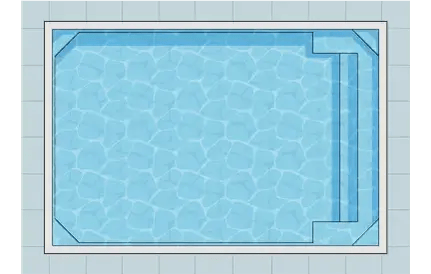
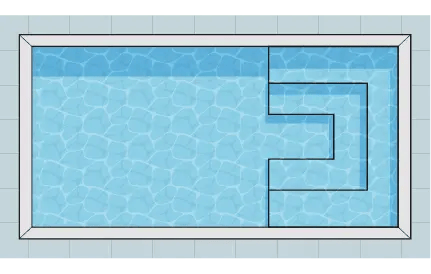
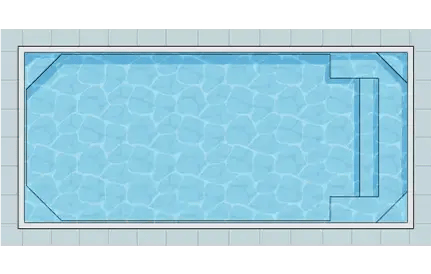
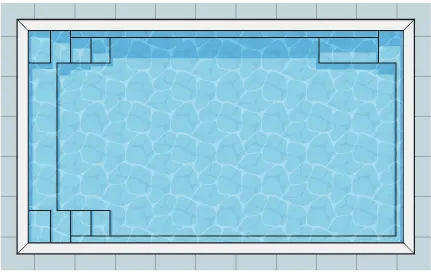
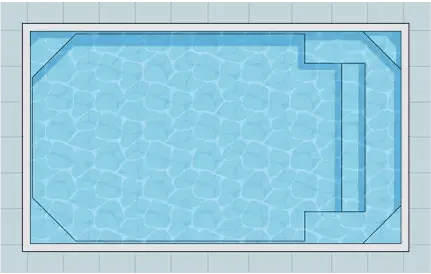
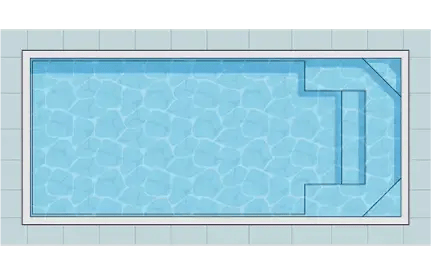
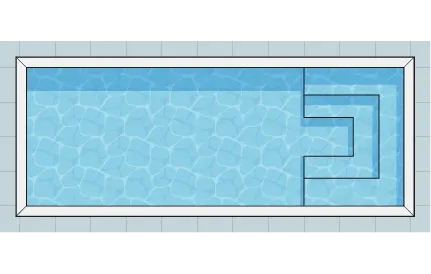
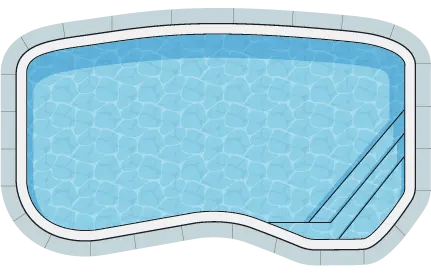
The pool shell does not become a different kind of shell. Magnesium refers to the water-treatment setup, not the shape, size or construction of the pool. A fibreglass family pool and a fibreglass plunge pool can both use mineral-compatible equipment.
Is a mineral pool the same as magnesium?
A magnesium pool is one type of mineral pool. Mineral pool is a broader label, so check the actual ingredients and equipment instead of assuming every system sold under that name works identically. Different blends can have different dosing instructions and operating requirements.
Some systems also incorporate additional equipment. SPKD's Platinum package, for example, lists an Astral Mineral Guard copper and silver sanitiser alongside its mineral chlorinator. That is a specific package inclusion, not a feature shared by every magnesium pool.
What does magnesium pool salt mean?
Magnesium pool salt usually means a mineral blend intended for pool use. The phrase does not identify one standard formulation. Read the product label to establish what it contains and which chlorinators it is intended to work with.
Do not substitute a household magnesium product or a different pool mineral blend simply because the name sounds similar. The relevant comparison is the approved product, its dosing directions and your equipment specifications. Keep those details together when planning a new pool or conversion.
How does a magnesium pool sanitise water?
A magnesium pool chlorinator generates chlorine from the chloride dissolved in its mineral-treated water. This is the same basic sanitising approach used by a salt chlorinator. Magnesium minerals do not remove the need for an effective chlorine residual.
Automated generation reduces the routine task of manually adding chlorine, but it does not guarantee that additional chlorine will never be needed. Your testing results, pool use and equipment performance determine whether corrective treatment is required. Follow the directions for your system.
Does magnesium automatically mean lower salinity?
No. The required operating level depends on the chlorinator and mineral product. A low-salt mineral chlorinator is a specific equipment choice; lower salinity is not a universal property of every magnesium pool.
Use the measurement method and operating range specified for your setup. Do not carry a figure from another brand's guide into your own pool. A number quoted for one mineral system does not establish the target for SPKD's Element Magnesium setup or another product.
What equipment does a magnesium pool need?
A magnesium pool needs a mineral-compatible chlorinator, suitable filtration and a pump sized for the pool. Check the chlorinator's approved mineral products and operating requirements before buying or converting. A saltwater label alone is not confirmation of magnesium compatibility.
SPKD's equipment packages identify the chlorinator, pump and filter models rather than leaving you to match them yourself. Compare the complete package and confirm the specifications for your chosen pool size.
Magnesium pool benefits and limitations
The main reason to consider magnesium is the water feel, rather than a promise of health treatment. Softer or silkier water is a preference you can assess, while claims about magnesium absorption require scientific evidence.
Minerals also bring practical trade-offs: they have their own replenishment costs and dosing requirements, and your chlorinator must be compatible. The pool still needs water testing and filtration. An automated system helps with routine treatment but does not make maintenance optional.
Are magnesium pools better for skin and eyes?
A magnesium pool is not a guarantee against dry skin, eye irritation or discomfort. Your individual response and the balance of the water matter. Avoid treating a description of softer-feeling water as proof that the pool will prevent or treat a skin condition.
If water comfort is your main reason for choosing minerals, trying a properly maintained mineral pool can help you assess your preference. Keep that personal experience separate from medical claims. Choose a system you can maintain correctly rather than relying on the mineral label alone.
Can you absorb useful magnesium through swimming?
Claims that swimming supplies meaningful magnesium through your skin are not well supported. Gröber and colleagues' 2017 research review in Nutrients examined transdermal magnesium evidence and found it insufficient to recommend that approach.
The review was about transdermal magnesium applications, not a clinical trial of SPKD pools. It supports caution about absorption claims; it does not establish that a particular pool delivers a health benefit. SPKD's practical recommendation is to assess the swim, equipment and upkeep rather than choose minerals as supplementation.
Magnesium pools vs saltwater and manual chlorine
Magnesium, saltwater and manually chlorinated pools all rely on chlorine in the setups compared here. Their main differences are the dissolved mineral product and the way chlorine is generated or added. Correct water balance matters in all three.
| Comparison | Magnesium mineral pool | Standard saltwater pool | Manually chlorinated pool |
|---|---|---|---|
| Sanitising method | Compatible chlorinator generates chlorine from mineral chlorides | Salt chlorinator generates chlorine from sodium chloride | Liquid or granular chlorine added according to testing |
| Water feel | Often described as softer or silkier; preference varies | Contains conventional dissolved pool salt | Depends on water balance and treatment |
| Operating salinity | Specified by the mineral product and chlorinator | Specified by the salt chlorinator | No chlorinator salt target for manual dosing |
| Routine consumable | Approved mineral blend | Pool-grade salt | Chlorine product |
| Routine work | Testing, balancing, filtration and chlorinator care | Testing, balancing, filtration and chlorinator care | Testing, balancing, filtration and manual chlorine dosing |
No mineral label guarantees an irritation-free or odour-free pool. For a broader explanation of alternative setups, SPKD's pool system comparison covers saltwater, mineral and freshwater terminology. Use the current specifications of the system you are buying to settle compatibility and operating questions.
What affects magnesium pool cost in Australia?
Magnesium pool cost has three separate parts: the pool project, the equipment setup and ongoing consumables. An equipment-package starting price is not the total price of a pool installed in your backyard. Keep those scopes separate when comparing quotes.
For a new SPKD kit, mineral-ready equipment and listed magnesium minerals are already part of the published equipment packages. For an existing pool, the extra equipment cost depends on compatibility. Mineral top-ups remain a separate ongoing consideration in either case.
What is included in SPKD mineral equipment packages?
SPKD lists mineral chlorinators and magnesium minerals in all three equipment packages. The following equipment-only starting prices and models were checked on 2 October 2026. Prices may vary with delivery and sizing requirements; confirm your quote before ordering.
| Package | Mineral equipment listed | Equipment from |
|---|---|---|
| Signature | Astral E Series Mineral Salt Chlorinator and Element Magnesium Minerals; the page lists nine bags | $4,699 |
| Platinum | Astral Pure 25 low salt/mineral chlorinator, Mineral Guard copper and silver sanitiser, and Magna Magnesium Minerals | $8,289 |
| VIP My Pool Butler | Hayward Aquarite Mineral System with Sense and Dispense, plus magnesium minerals and starter chemicals | $12,790 |
The packages also differ in pumps, filters, cleaning equipment and automation. Confirm the mineral quantity and start-up requirements for your actual pool volume. A listed bag count should not be treated as a universal dosing instruction.
What is outside an equipment-only price?
The pool shell and installation scope need to be budgeted separately from an equipment-package starting price. Excavation, crane access, trade connections, fencing, approvals and surrounding works affect the project budget. The site and the installation arrangement determine which costs apply.
SPKD's pool package checklist separates inclusions from exclusions. Use that distinction when reviewing quotes, then compare the broader pool cost factors against your own site rather than applying a headline figure to every backyard.
What do mineral top-ups cost?
Mineral blends cost more per bag than standard pool salt, but a useful annual estimate needs your product, pool volume and actual replenishment requirements. There is no verified universal dollar figure or annual bag count in this guide.
Ask for the price and pack size of the approved mineral product. Then distinguish the initial fill from later replenishment. Pump use, heating and equipment choices also contribute to running costs; minerals are only one part of the budget.
Magnesium pool maintenance and mineral dosing
Magnesium pool maintenance still involves testing, balancing, filtration and chlorinator care. Use the mineral product and equipment manuals as the operating instructions for your pool. A general article cannot replace their approved dosing, testing method or cleaning procedure.
SPKD's maintenance cost guide explains why equipment, heating and usage shape ongoing expenses. Keep those factors in view rather than assuming mineral water alone determines maintenance effort or electricity use.
How much magnesium pool salt should you add?
Add the amount specified for your mineral product, pool volume and existing water condition. Do not use a dosing figure from another brand's guide. Element Magnesium and Magna mineral products should each be handled according to their own instructions.
Before first fill or conversion, record the pool's water volume, exact product name and chlorinator model. Those details let your supplier confirm the dose. They also prevent a later top-up from being confused with the larger quantity required at start-up.
What should you test and inspect?
Test free chlorine and pH routinely, along with the other water-balance parameters specified for your pool. Monitor mineral or salt operating levels using the method approved for your setup. A chlorinator display is not a substitute for a complete water test.
- Use your supplier's testing schedule and test more often when use or conditions change.
- Keep a record of readings, adjustments and mineral additions.
- Check the filter, baskets and chlorinator according to their manuals.
- After heavy rain, backwashing or significant water loss, test before deciding on a mineral top-up.
- Follow the chlorinator's cell-cleaning directions rather than improvising a cleaning mixture.
How do you avoid unnecessary mineral additions?
Base top-ups on testing and product instructions, not a fixed weekly habit. Rain, splash-out and backwashing can change the water condition, but their effect is not identical in every pool. Confirm what has changed before adding more product.
Write down the amount added and retest as directed after circulation. If readings or equipment warnings do not make sense, pause further additions and get the water assessed. Repeated guesswork makes it harder to identify the original issue and establish the correct next step.
Can you convert an existing pool to magnesium?
Usually, an existing pool can be considered for conversion if the equipment and mineral product are compatible. The first step is checking your chlorinator, not buying bags of minerals. Follow the chosen manufacturer's conversion procedure rather than a universal recipe.
- Identify the equipment. Record the chlorinator make and model and confirm approval for the chosen mineral blend.
- Test the existing water. Give the supplier the pool volume and relevant water-test results.
- Confirm required changes. Establish any equipment replacement or water adjustment specified for that product.
- Follow the conversion instructions. Use the approved dose, circulation procedure and start-up settings.
- Retest before swimming. Check that the water meets the operating and sanitising requirements for your setup.
What should a conversion quote explain?
A conversion quote should separate equipment changes, mineral product and any professional start-up work. Ask for the exact model and product names, rather than a description such as mineral upgrade. That makes compatibility and future replacement-product choices easier to check.
Keep the written instructions and warranty information with the quote. There is no single drain-and-refill rule or circulation time that this guide can safely prescribe for every existing pool. Avoid draining a pool without appropriate professional advice.
Can a plunge pool be a magnesium pool?
Yes. A plunge pool can use magnesium minerals with compatible equipment. SPKD's plunge pool range supports mineral-ready setups, so choosing a smaller pool does not mean giving up that option.
For the same approved product and target concentration, a smaller water volume requires a smaller initial quantity than a larger volume. The actual dose still comes from the product instructions. Do not estimate the mineral requirement from the pool's external dimensions alone.
What matters for a magnesium plunge pool?
Equipment sizing and water testing still matter in a magnesium plunge pool. Confirm that the chlorinator settings suit the selected pool and planned use. Heating, spa jets and other optional features should be assessed as separate equipment decisions.
Start with how you plan to use the pool, then choose the size and equipment package together. Minerals do not replace filtration or water care, and a small pool should not be treated as a maintenance-free version of a larger one.
Choosing your magnesium pool setup
Choose magnesium if its water feel and compatible equipment suit your priorities, with a clear understanding of consumable costs and upkeep. Standard saltwater remains a practical comparison if your main priority is the replenishment cost. Both require correct chlorination and water balance.
For a new SPKD pool, compare the package's pump, filter, cleaner and automation as well as its mineral chlorinator. For an existing pool, establish compatibility first. That order avoids budgeting around an assumption that your current equipment will work.
Questions to settle before ordering
A written specification is more useful than a general promise of mineral water. Confirm these details before choosing the package or booking a conversion:
- What is the chlorinator make, model and approved mineral product?
- What mineral quantity is included, and what does my pool need at start-up?
- Which testing method and operating instructions should I use?
- Which prices cover equipment only, and which cover the shell or delivery?
- Which installation and ongoing service costs remain outside the quote?
Pro Tip: Settle the mineral product and start-up plan before filling the pool. Keep the approved dosing instructions with the equipment paperwork so the installer and owner are working from the same information.
Get your magnesium pool price
SPKD's calculator provides a price range estimate for your selected fibreglass pool and equipment package. Use the estimate as a starting point, then confirm the inclusions, delivery and separate site-work costs for your project.
.png?width=400&height=266&name=Cape%20Classic%20(1).png)
.jpeg?width=400&height=266&name=6m%20Slimline%20Medium%20Blue%20Above%20Ground%20(2).jpeg)
