








The biggest fear most people have about building a pool is not the cost. It is how long their backyard will be a construction site. That fear is warranted if you are building concrete, but it does not have to define the entire experience.
The gap between a fibreglass pool shell and a concrete build on installation speed is larger than most comparisons let on. This article gives you a direct head-to-head on timelines, site disruption, DIY suitability, maintenance, and long-term ownership so you can decide which construction method actually fits your project and your patience.
Key Takeaways: Fibreglass Pool Shells vs Concrete Pools
- A fibreglass pool shell from SPKD can be craned in and operational within five days to two weeks, while concrete builds typically run 12 to 16 weeks on site.
- Concrete pools require multiple trade stages on your property, including steelwork, shotcrete, curing, tiling, and resurfacing over the pool's lifetime.
- Fibreglass shells arrive factory-finished with a non-porous gelcoat surface that resists algae and reduces chemical use from day one.
- SPKD supplies complete DIY pool kits with shell, filtration, and engineering drawings, giving owner-builders control over budget and schedule.
- Concrete offers unlimited shape customisation, but most standard Australian backyards do not require a fully custom design to get a functional, well-sized pool.
Fibreglass Pool Shells vs Concrete Pools: Overview
What are fibreglass pool shells?
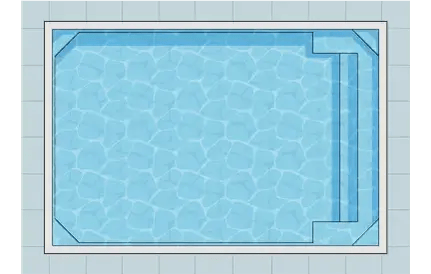
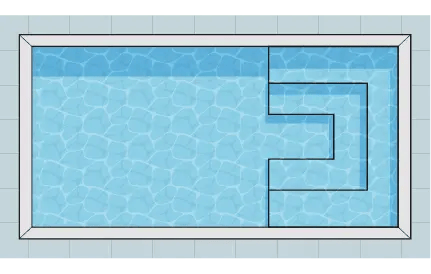
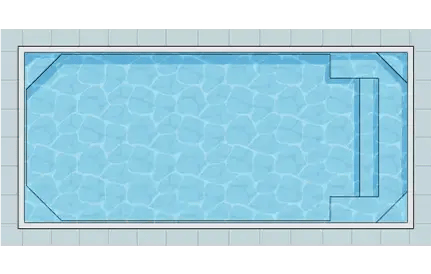
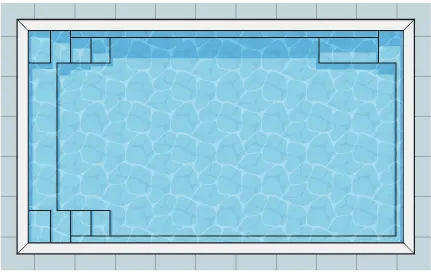
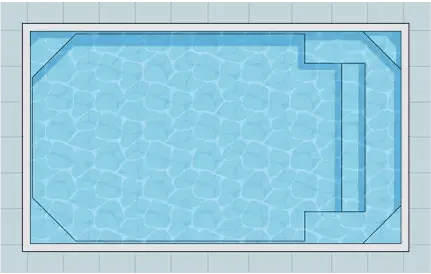
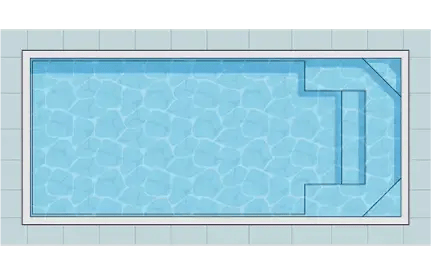
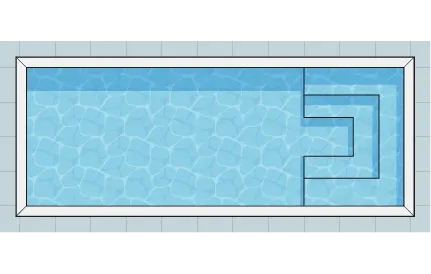
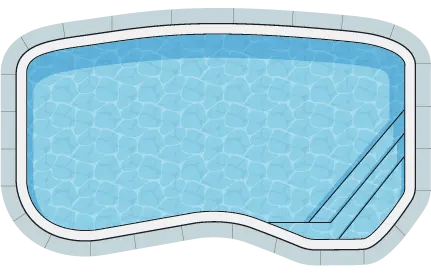
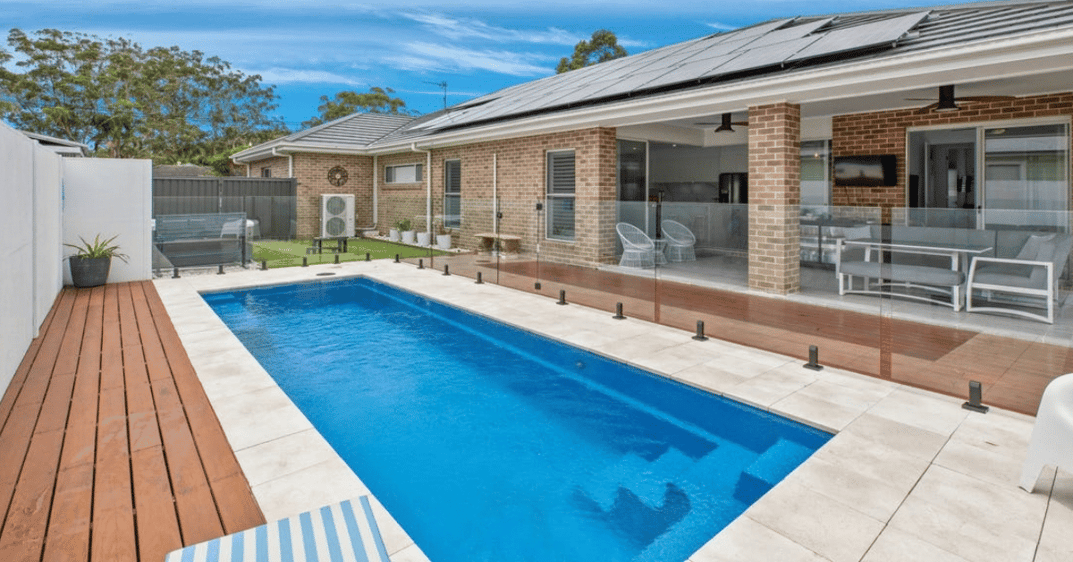
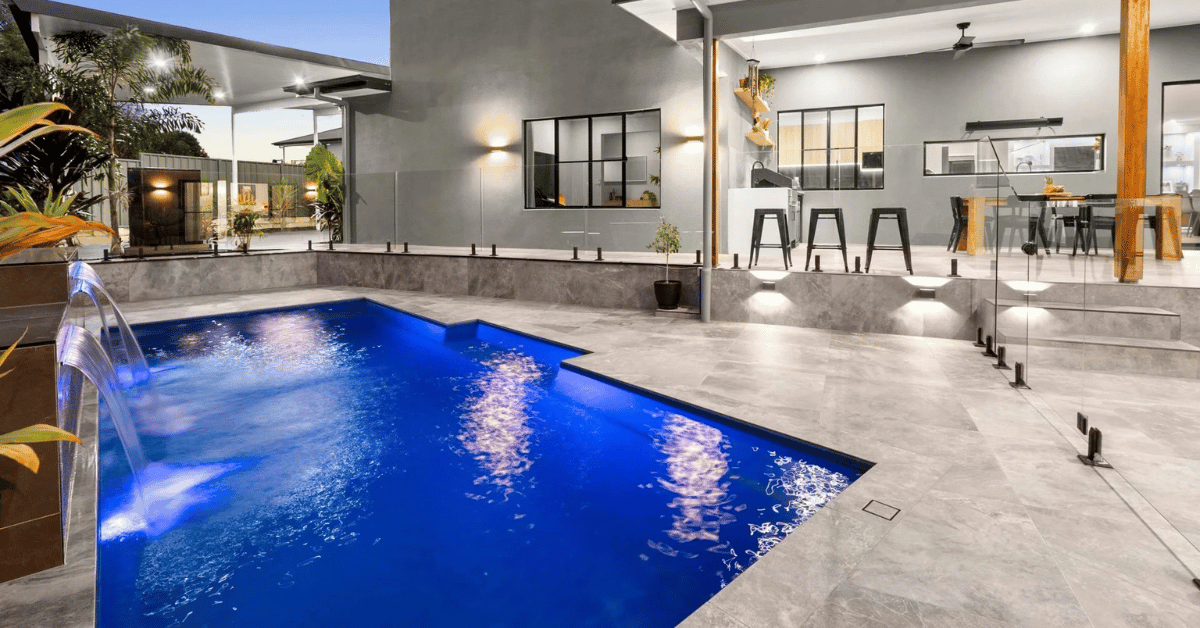
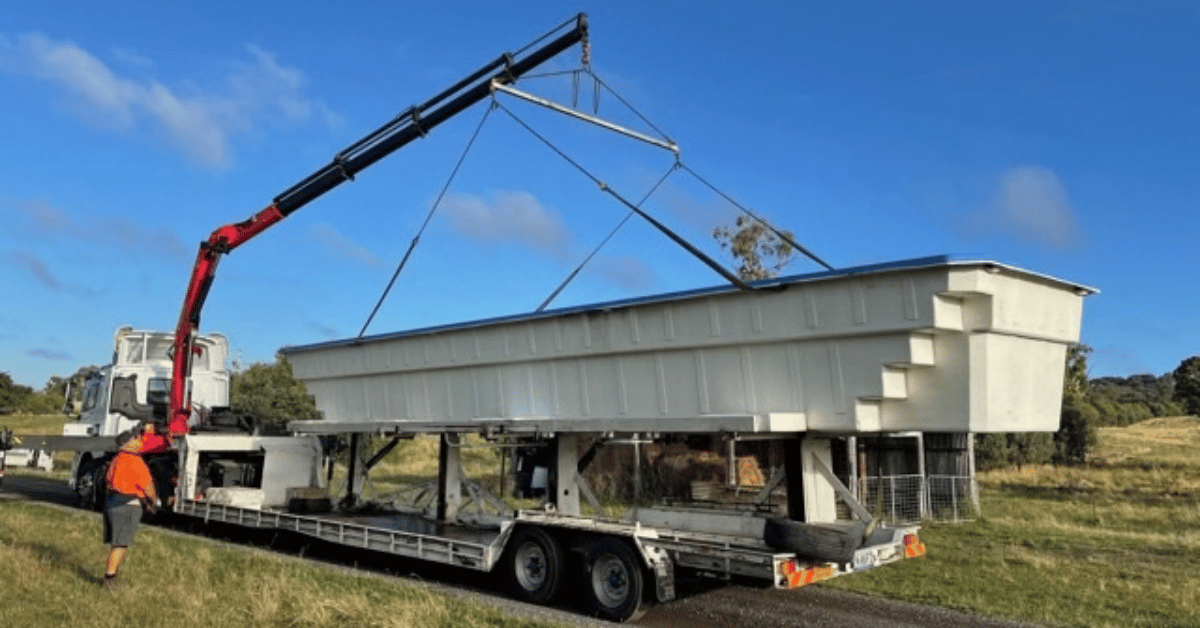
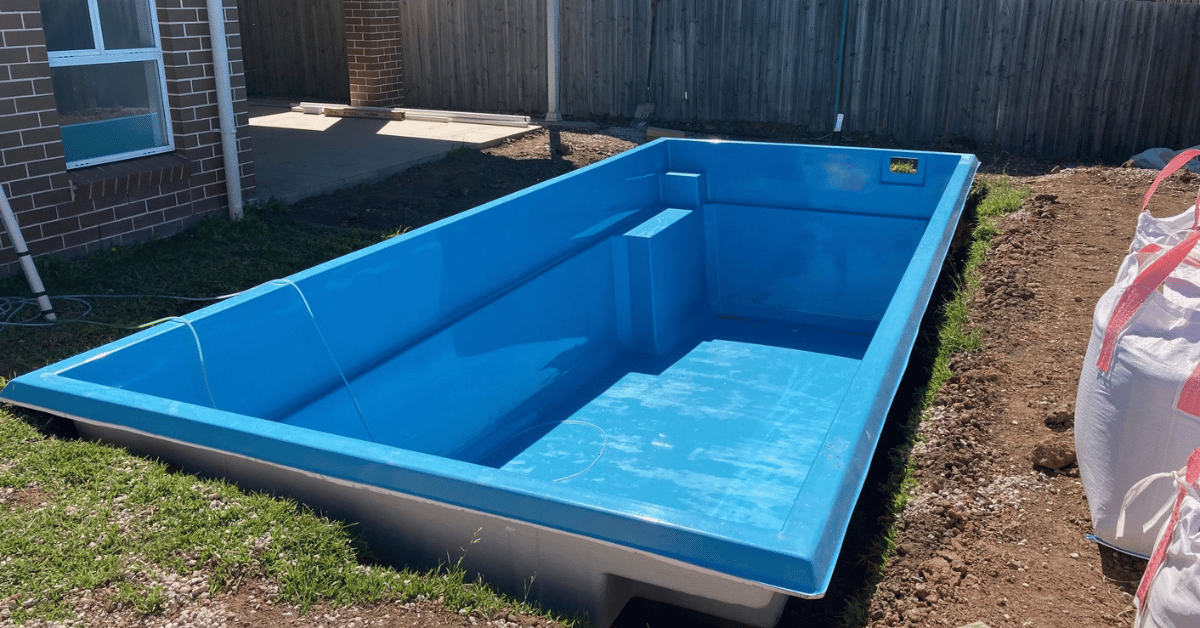
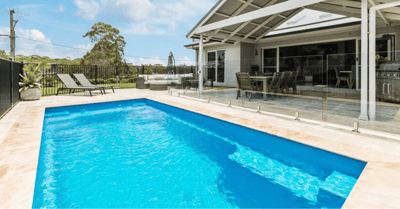
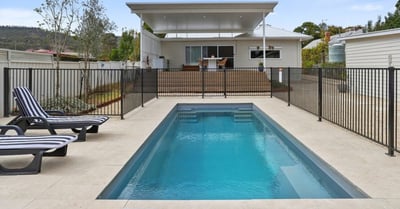
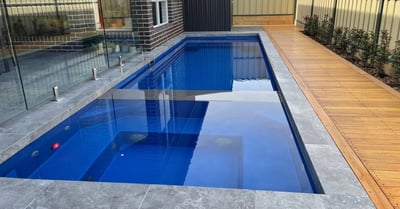
A fibreglass pool shell is a one-piece structure manufactured in a factory mould and coated with a gelcoat finish. The shell is delivered to your property on a truck, craned into a prepared excavation, then plumbed and backfilled. Because the shell is pre-built, installation is measured in days rather than months.
SPKD fibreglass pool shell benefits
- Fast installation: Site work typically takes five days to two weeks from crane-in to first swim.
- 25-year structural warranty: Every SPKD shell is manufactured in NSW and backed by a 25-year structural warranty.
- Complete kit inclusions: Each pool kit includes the shell, pump, filter, and chlorinator sized for the pool.
- Non-porous gelcoat surface: The smooth finish resists algae growth and reduces ongoing chemical and scrubbing requirements.
- Energy efficiency: Fibreglass retains heat better than concrete, so fibreglass pools warm up faster and hold their temperature longer.
SPKD fibreglass pool shell pros and cons
Pros:
- Installation in days rather than months means your backyard is usable again quickly and trades are on site for a fraction of the time a concrete build requires.
- The gelcoat surface is non-porous, which reduces chemical consumption and makes weekly maintenance quicker than scrubbing a porous concrete interior.
- SPKD pool kits arrive with everything needed to run the pool, including certified engineering drawings for council or private certifier approval.
Cons:
- Shell designs are limited to the manufacturer's existing moulds, so unusual shapes or very large custom dimensions are not available.
- Delivery access requires a crane path to the excavation, which can add planning steps on properties with narrow side access.
- Maximum pool size is determined by transport regulations, so shells above approximately 12 metres may not be available in all areas.
What is a concrete pool?
A concrete pool is built entirely on site. The process involves excavation, steel reinforcement, shotcrete or gunite application, a curing period, and then an interior finish such as pebblecrete, tiles, or render. Concrete pools can be built to any shape, depth, or dimension, which is the primary reason some homeowners choose them.
Concrete pool benefits
- Unlimited shape customisation: Every dimension, depth change, and contour is built to your specification on site.
- Variety of interior finishes: Options include pebblecrete, glass mosaic tiles, render, and coloured quartz aggregates.
- Depth flexibility: Multi-level depths, plunge zones, and integrated spa sections can be incorporated into a single structure.
- Structural longevity: A well-built concrete pool shell can last 50 years or more with periodic resurfacing.
- Feature integration: Vanishing edges, wet-edge designs, and complex water features are more straightforward in a poured concrete structure.
Concrete pool pros and cons
Pros:
- Concrete pools accommodate irregular block shapes, steep sites, and unusual design briefs that pre-moulded shells cannot replicate.
- The range of interior finishes allows homeowners to match the pool surface to surrounding landscaping and architecture.
- Very large pools, including commercial-length lap pools and resort-style designs, are possible because there are no transport size constraints.
Cons:
- Construction typically takes 12 to 16 weeks of active site work, with finishing stages and landscaping extending that timeline further.
- The porous interior surface requires periodic acid washing and resurfacing every 10 to 15 years to maintain water quality and appearance.
- Concrete raises pool water pH over time, increasing the volume of chemicals needed to keep water balanced compared to a gelcoat-finished surface.
Fibreglass Pool Shells vs Concrete Pools: In-Depth Comparison
Installation speed
This is where the two methods diverge most dramatically. A fibreglass shell is craned into the excavation in a single day. Plumbing, electrical, backfill, and commissioning then take the remaining time, with most SPKD installations finishing within five days to two weeks.
A concrete pool requires excavation, steel fixing, shotcrete spraying, a curing period of at least 28 days, then interior finishing and tiling. Total site time runs 12 to 16 weeks under normal conditions, and wet weather or council delays can push that further.
Site disruption
With a fibreglass shell, the heavy machinery is on your property for a short window. The excavator digs the hole, the crane lowers the shell, and the rest of the work involves plumbing and backfill. Your yard recovers quickly because the build footprint is smaller and shorter.
Concrete builds involve multiple trade visits over several months: excavation, steel, concrete, plumbing, tiling, coping, and fencing. Each stage may require different equipment access, and the longer timeline means more disruption to your household routine.
DIY suitability
Fibreglass pool shells are genuinely suited to owner-builder installation. SPKD supplies complete DIY pool kits that include the shell, filtration equipment, and engineering drawings for approval. The process is documented step by step, and many homeowners complete their installation with a local excavator operator, a plumber and an electrician.
Concrete pools are not a realistic DIY project. Shotcrete application, steel reinforcement, and interior finishing each require licensed trades with specialised equipment. The coordination of multiple subcontractors adds project management complexity that sits well outside most homeowner skill sets.
Ongoing maintenance
The gelcoat surface on a fibreglass shell is non-porous. Algae struggles to attach, which means less scrubbing and lower chemical usage week to week. Fibreglass pools typically use significantly fewer chemicals than concrete equivalents because the surface does not react with pool water or harbour bacteria in microscopic pores.
Concrete pool interiors are porous by nature. Algae can embed in the surface, requiring regular brushing and higher sanitiser levels. Resurfacing is needed every 10 to 15 years, which adds a recurring cost and a period of downtime that fibreglass owners do not face.
"The maintenance difference is real and it compounds over the life of the pool. Fibreglass owners spend less time and less money on chemicals every single week, and they never face a resurfacing bill."
Colm Walsh, Managing Director, Swimming Pool Kits Direct
Durability and warranty
SPKD fibreglass pool shells carry a 25-year structural warranty. The shells are manufactured in NSW with 30 years of production experience behind them. Because the shell is a single moulded unit, there are no joints or seams that can fail independently.
Concrete pools can last 50 years or more structurally, but the interior finish has a shorter lifespan. Pebblecrete and render surfaces typically need replacing every 10 to 15 years, and the structural concrete itself can develop cracks if ground movement occurs and the reinforcement was not adequate for the soil conditions.
Comparison table: Fibreglass pool shells vs concrete for Australian backyards
| Category | SPKD Fibreglass Pool Shell | Concrete Pool |
|---|---|---|
| Installation timeline | 5 days to 2 weeks | 12 to 16 weeks |
| DIY installation | ✓ | ✗ |
| Structural warranty | 25 years | Varies by builder |
| Interior resurfacing | Not required | Every 10 to 15 years |
| Gelcoat (non-porous) surface | ✓ | ✗ |
| Kit with filtration included | ✓ | ✗ |
Why SPKD fibreglass pool shells are the best option for fast Australian installs
If your priority is getting a pool into your backyard with the least amount of time, trades, and disruption, a fibreglass pool shell from Swimming Pool Kits Direct is the straightforward answer. The shell arrives factory-finished, the installation process is staged and documented, and the included equipment package means you are not chasing separate suppliers for pumps, filters, and chlorinators.
SPKD gives you the option to install the pool yourself as an owner-builder or to work with a local installer. Either way, you are looking at days on site rather than months. That is not a minor difference when your family is living around a construction zone.
Pro Tip: If you are planning to be swimming by a specific date, work backwards from the install timeline rather than the quote date. With a fibreglass shell you need to allow for excavation scheduling and council or certifier approval, but the actual pool install is measured in days. With concrete, the build alone is 12 to 16 weeks before landscaping even starts.
Concrete pools have a place for buyers who genuinely need a custom shape, a vanishing edge, or a pool longer than 12 metres. For everyone else, the speed, warranty, and low-maintenance gelcoat surface of a fibreglass shell make it the more practical choice. Get a Quote, Engineering Drawings Included.
.png?width=400&height=266&name=Cape%20Classic%20(1).png)
