








.png?width=1240&height=562&name=Blog%20Images%20(16).png)
If you're comparing fibreglass and concrete pools, you're in good company. This is one of the most searched pool questions in Australia, and it is also one of the easiest to get a biased answer to, depending on who's selling what.
Here is the honest version. No hype, no strawman, just what each pool type does well, where it falls short, and which backyard each option is suited to.
The short answer is this: for a standard backyard block, fibreglass usually wins on cost, install speed, and long-term maintenance. Concrete usually wins when your site is unusual, steep, or you want a fully bespoke design. Neither is the right answer for every block.
Article Summary
|
How do fibreglass and concrete pools actually compare?
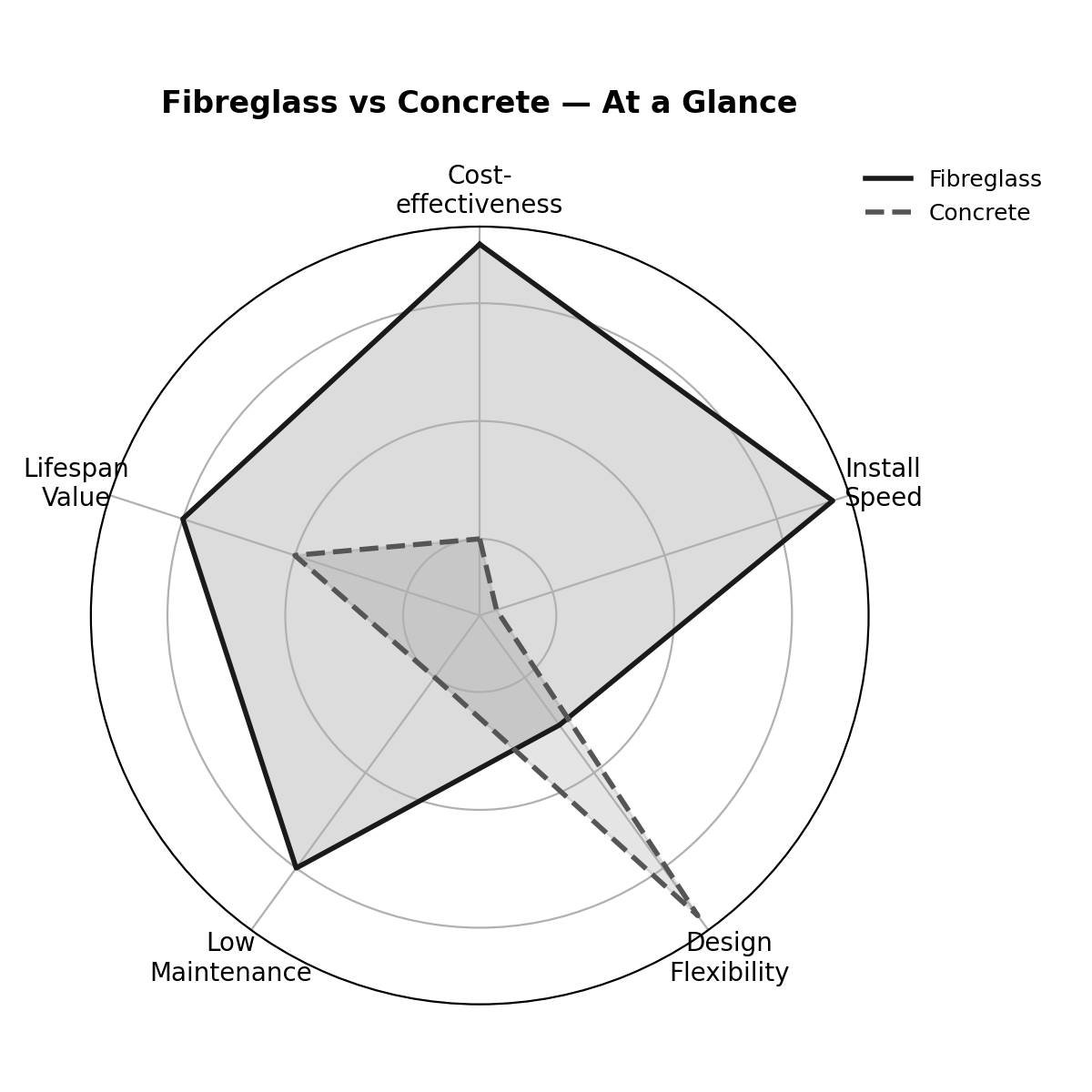
Cost comes down to labour and time. A fibreglass shell is manufactured in a factory and installed on site. A concrete pool is built from scratch on your block, with excavation, steel fixing, spraying or pouring, curing, and finishing all happening as separate stages.
Published Australian pool cost guides from Canstar Blue and Canstar place inground fibreglass pools below comparable concrete builds, with concrete commonly costing more upfront for a similar size and use case.
Installation time follows the same logic. Canstar's pool cost guide says inground fibreglass pools can often be installed in roughly 2 to 5 weeks, while concrete pools commonly take 8 to 16 weeks because the structure is built and cured in stages.
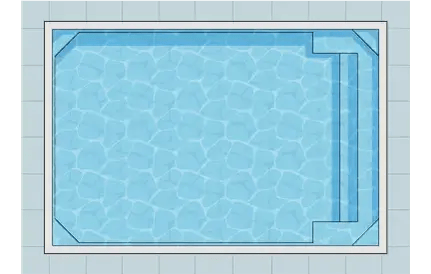
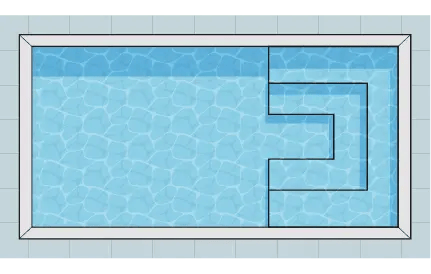
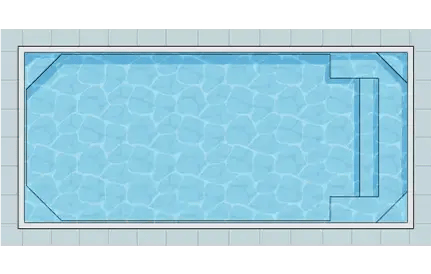
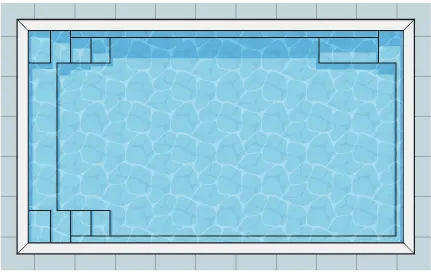
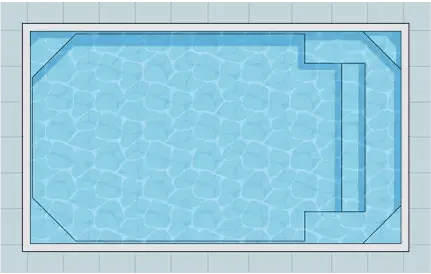
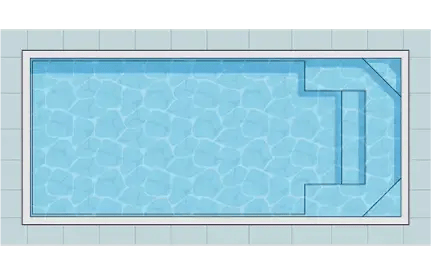
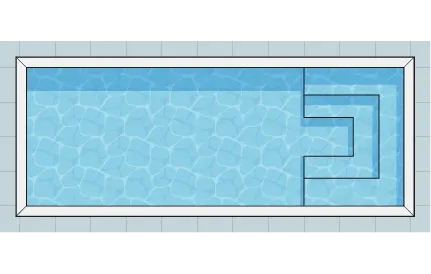
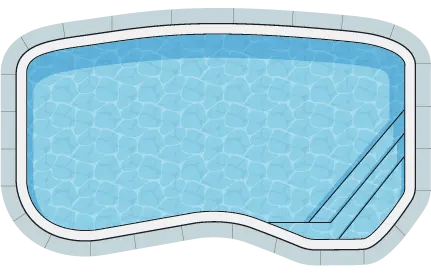
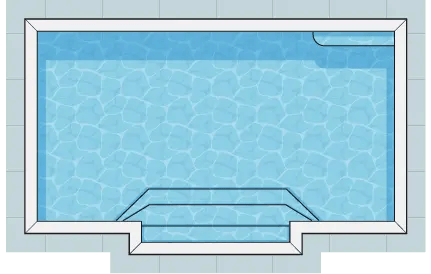
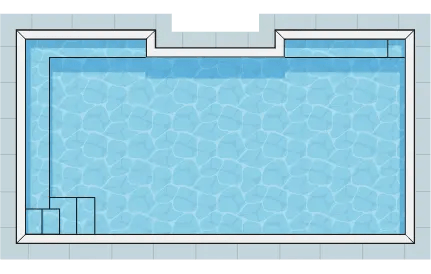
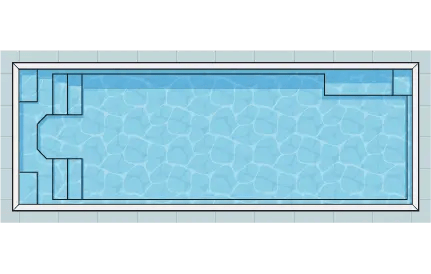
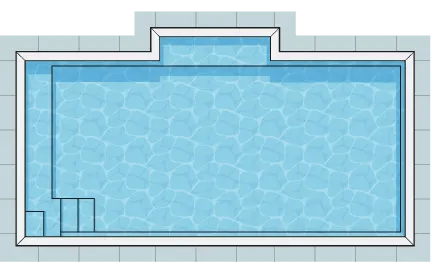
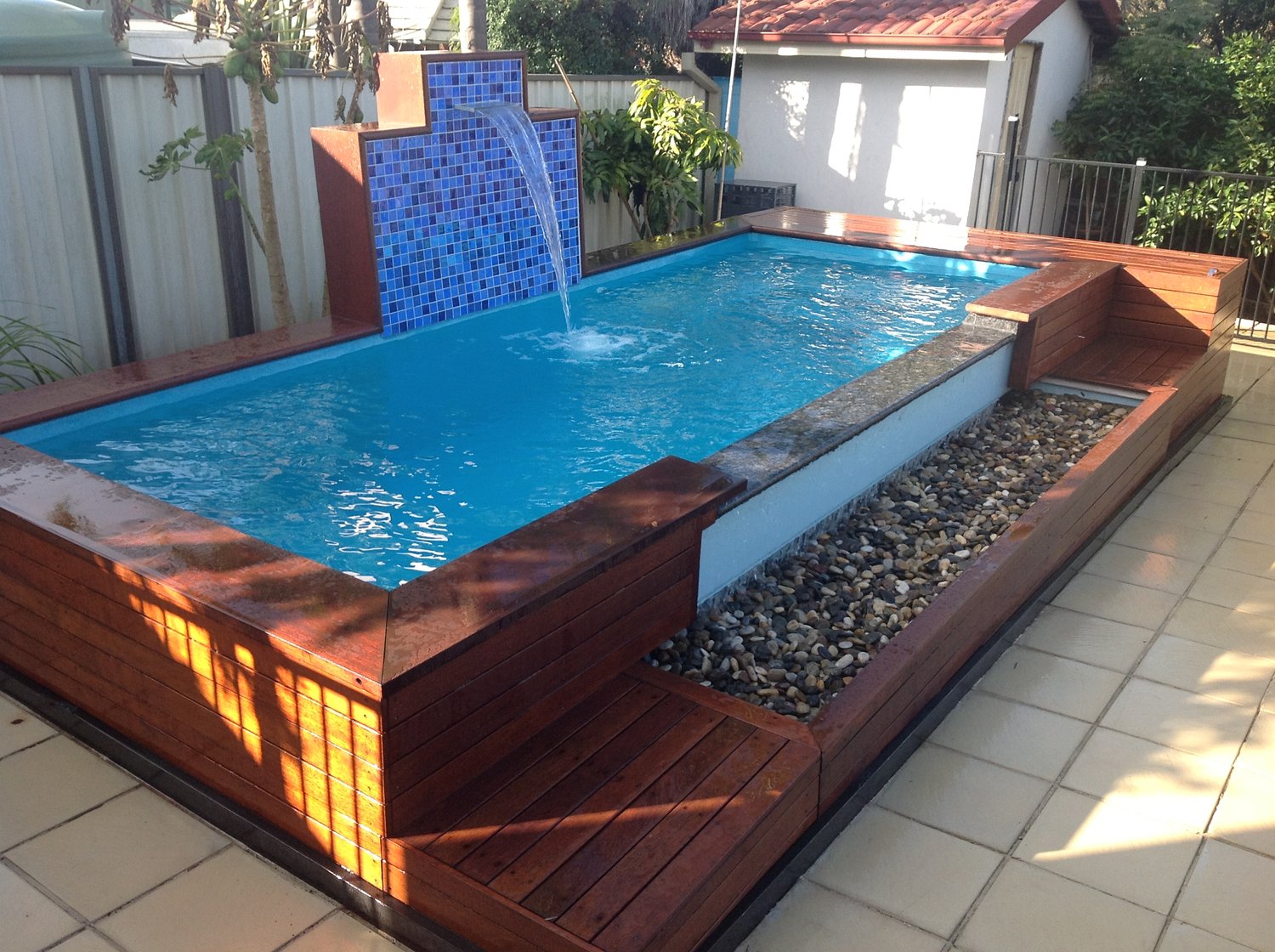
.png?width=700&height=366&name=Blog%20Images%20(13).png) Design flexibility is where concrete has a genuine structural advantage. Fibreglass shells come from a mould, so you are choosing from a fixed range of shapes and sizes. Concrete is built in place, which makes it more suited to unusual block shapes, steep sites, and highly customised layouts.
Design flexibility is where concrete has a genuine structural advantage. Fibreglass shells come from a mould, so you are choosing from a fixed range of shapes and sizes. Concrete is built in place, which makes it more suited to unusual block shapes, steep sites, and highly customised layouts.
Maintenance usually tracks back to the pool surface. Fibreglass has a smooth, non-porous gelcoat finish, which tends to make algae control easier and reduce ongoing cleaning effort. Concrete surfaces are more porous, which generally means more regular brushing, chemical management, and surface upkeep.
Resurfacing is part of that long-term picture. Canstar's 2025 pool cost guide cites resurfacing after about 15 years as a typical concrete-pool consideration, with resurfacing costs around $10,000 depending on scope and finish.
Heat retention also matters if you plan to heat the pool. Fibreglass shells are commonly regarded as retaining heat better than bare concrete, which can help reduce how often you need to reheat the water.
DIY-friendliness is the final major difference. Fibreglass pool kits are delivered as a finished shell, so the job becomes coordinating excavation, delivery, plumbing, electrical, and finishes with the right licensed trades. A concrete pool is not a self-managed shell install in the same way, because the structure itself is created on site by specialist trades.
| Criteria | Fibreglass | Concrete |
|---|---|---|
| Upfront cost | Usually lower | Usually higher |
| Installation time | Roughly 2 to 5 weeks | Roughly 8 to 16 weeks |
| Design flexibility | Fixed moulded designs | Fully custom shapes |
| Maintenance | Usually lower | Usually higher |
| Resurfacing | Not typically required | Often needed long term |
| Heat retention | Generally better | Generally lower |
| DIY pathway | More manageable | Rarely practical |
Where concrete genuinely has the edge
Concrete is the better fit when the block or the design brief does not suit a transportable shell. If you need a highly specific shape, a tight fit around an awkward site, or premium finish choices like tile or pebblecrete, concrete gives you more freedom.
- Fully custom shapes and dimensions
- More flexibility on steep or irregular sites
- Broader finish options including tile and rendered interiors
- Suitable for designs beyond standard shell transport limits
The trade-off is time, complexity, and long-term upkeep. Concrete usually costs more to build, takes longer to complete, and tends to need more maintenance over its life.
 Where fibreglass genuinely has the edge
Fibreglass is usually the more straightforward choice for a standard Australian backyard. It suits buyers who want clear timelines, lower maintenance, and fewer moving parts over the life of the pool.
- Faster installation timeline
- Lower ongoing maintenance
- No typical resurfacing cycle to budget for
- Smoother surface and lower algae hold
- More manageable project path for owner-builders
Swimming Pool Kits Direct gives you a DIY-friendly path with pool installation guidance, a range of fibreglass pool shells, and equipment packages sized to suit the model you choose.
The compromise is design freedom. You are choosing from proven shell designs rather than building a completely bespoke shape from scratch.
Which one is right for your backyard?
If your block is a fairly standard shape, you want the pool in sooner, and you would rather avoid long-term resurfacing costs, fibreglass is usually the better fit.
If your site is unusually steep, heavily constrained, or you want a one-off design that a mould cannot deliver, concrete may justify the extra cost and longer build time.
The main decision is not which material sounds more impressive. It is which pool type is suited to your block, your timeline, and how much maintenance you want to carry long term.
Pro Tip
Choose the pool type after you assess the block, not before. A standard block can carry the cost and delay of a concrete build without needing the extra design flexibility.
Frequently asked questions
Ready to compare your options?
Start with the fibreglass pool range if you want to compare shapes and sizes, or use the quote request path to work out what is realistic for your block, budget, and timeline.
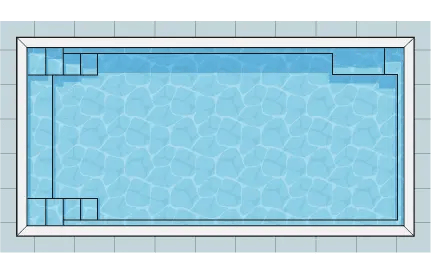
.png?width=400&height=266&name=Blog%20Images%20(16).png)

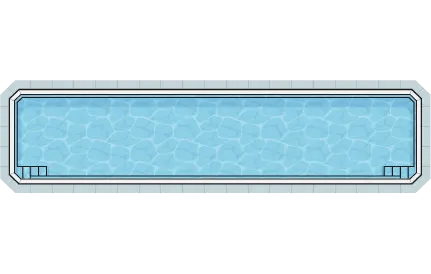
.png?width=400&height=266&name=Lap%20Pool%20(2).png)
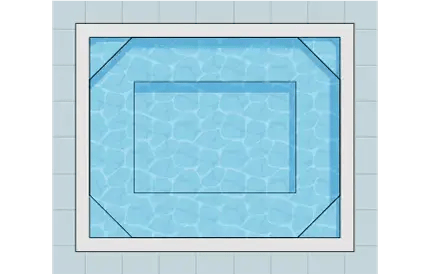
.png?width=400&height=266&name=Blog%20Images%20(7).png)
